Shake-speares Sonnets

The Second Volume

Sonnets VI to X

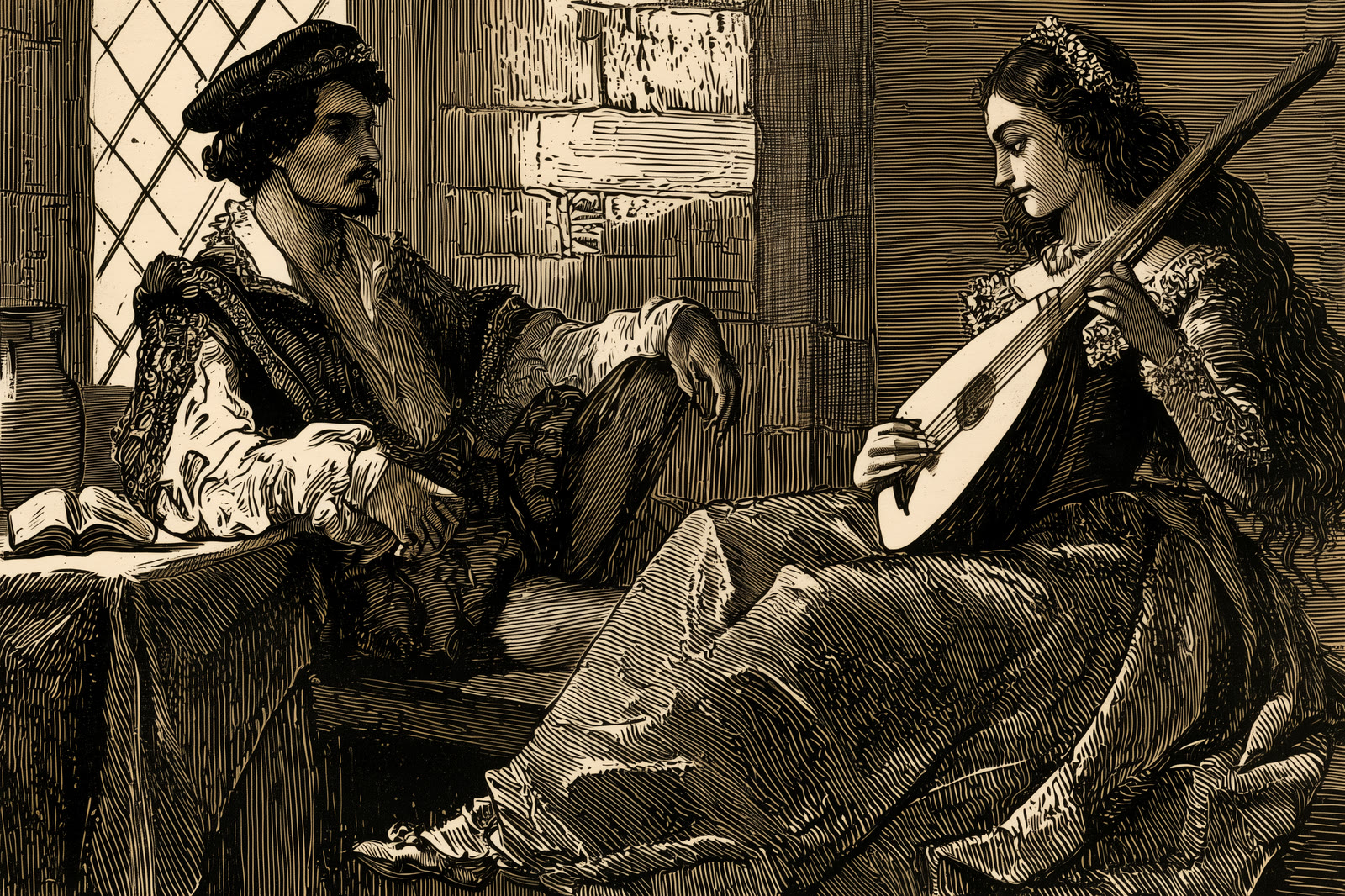
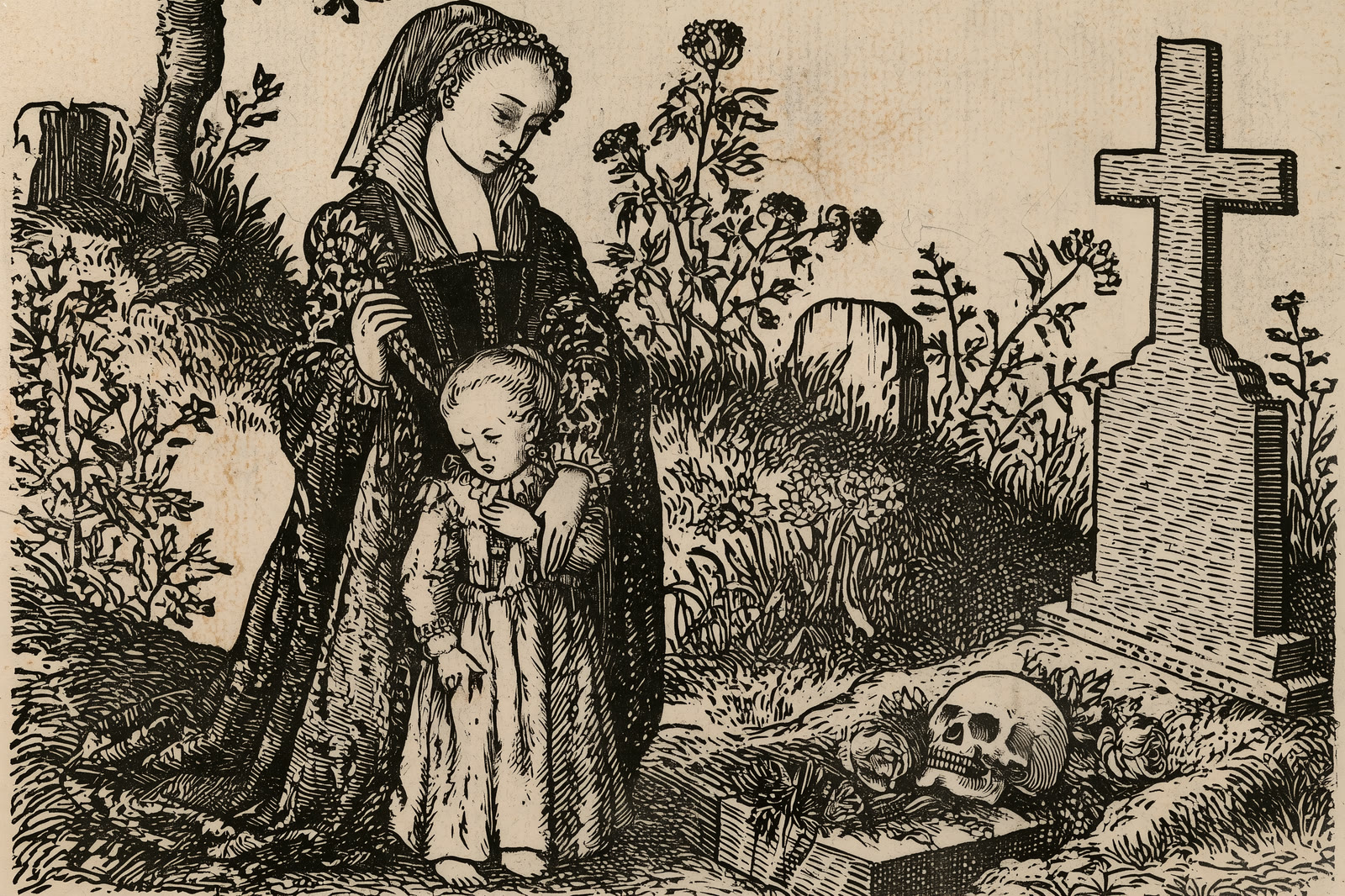
Woodcut for Sonnet VI

VI. Then let not winter's ragged hand deface

0:002:19
Read the sonnetClose the sonnet

Then let not winter's ragged hand deface In thee thy summer, ere thou be distill'd: Make sweet some vial; treasure thou some place With beauty's treasure, ere it be self-kill'd. That use is not forbidden usury, Which happies those that pay the willing loan; That's for thyself to breed another thee, Or ten times happier, be it ten for one; Ten times thyself were happier than thou art, If ten of thine ten times refigured thee: Then what could death do, if thou shouldst depart, Leaving thee living in posterity?

Be not self-will'd, for thou art much too fair To be death's conquest and make worms thine heir.
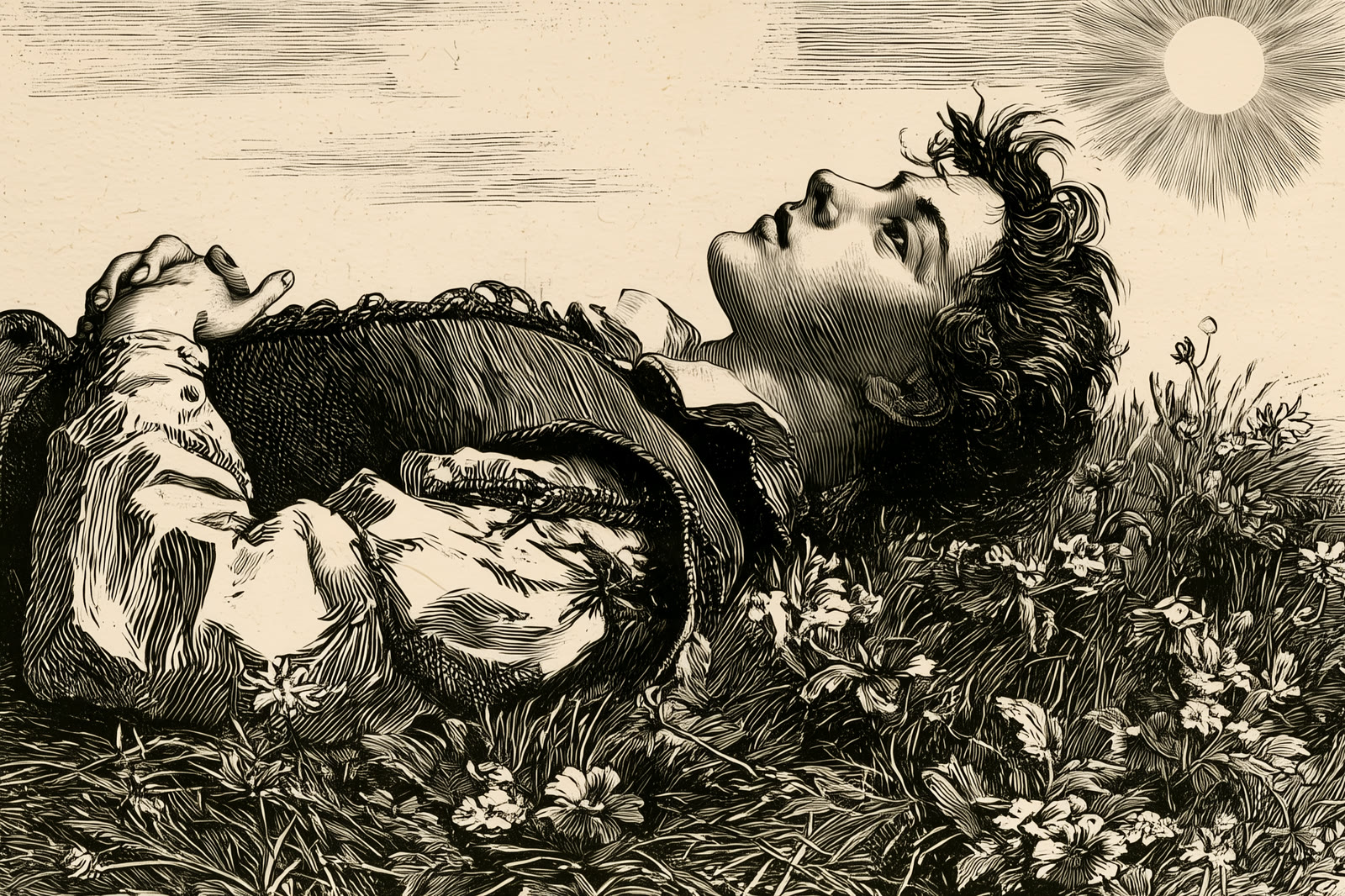
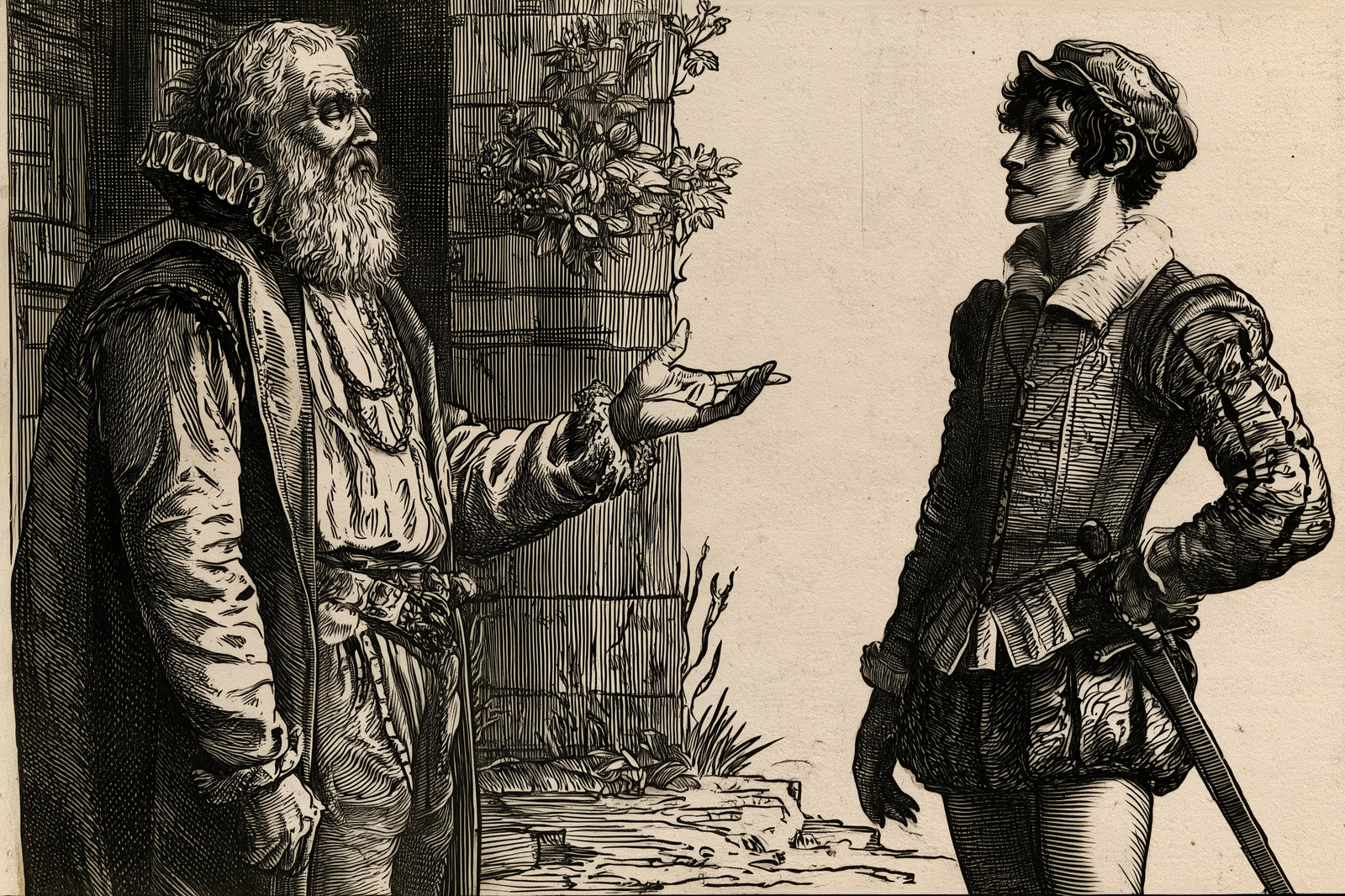
Woodcut for Sonnet VII

VII. Lo! in the orient when the gracious light

0:003:18
Read the sonnetClose the sonnet

Lo! in the orient when the gracious light Lifts up his burning head, each under eye Doth homage to his new-appearing sight, Serving with looks his sacred majesty; And having climb'd the steep-up heavenly hill, Resembling strong youth in his middle age, Yet mortal looks adore his beauty still, Attending on his golden pilgrimage; But when from highmost pitch, with weary car, Like feeble age, he reeleth from the day, The eyes, 'fore duteous, now converted are From his low tract and look another way:

So thou, thyself out-going in thy noon, Unlook'd on diest, unless thou get a son.

Woodcut for Sonnet VIII

VIII. Music to hear, why hear'st thou music sadly?

0:004:35
Read the sonnetClose the sonnet

Music to hear, why hear'st thou music sadly? Sweets with sweets war not, joy delights in joy. Why lovest thou that which thou receivest not gladly, Or else receivest with pleasure thine annoy? If the true concord of well-tuned sounds, By unions married, do offend thine ear, They do but sweetly chide thee, who confounds In singleness the parts that thou shouldst bear. Mark how one string, sweet husband to another, Strikes each in each by mutual ordering, Resembling sire and child and happy mother Who all in one, one pleasing note do sing:

Whose speechless song, being many, seeming one, Sings this to thee: 'thou single wilt prove none.'

Woodcut for Sonnet IX

IX. Is it for fear to wet a widow's eye

0:002:50
Read the sonnetClose the sonnet

Is it for fear to wet a widow's eye That thou consumest thyself in single life? Ah! if thou issueless shalt hap to die, The world will wail thee, like a makeless wife; The world will be thy widow and still weep That thou no form of thee hast left behind, When every private widow well may keep By children's eyes her husband's shape in mind. Look, what an unthrift in the world doth spend Shifts but his place, for still the world enjoys it; But beauty's waste hath in the world an end, And kept unused, the user so destroys it.

No love toward others in that bosom sits That on himself such murderous shame commits.

Woodcut for Sonnet X

X. For shame! deny that thou bear'st love to any

0:003:29
Read the sonnetClose the sonnet

For shame! deny that thou bear'st love to any, Who for thyself art so unprovident. Grant, if thou wilt, thou art beloved of many, But that thou none lovest is most evident; For thou art so possess'd with murderous hate That 'gainst thyself thou stick'st not to conspire, Seeking that beauteous roof to ruinate Which to repair should be thy chief desire. O, change thy thought, that I may change my mind! Shall hate be fairer lodged than gentle love? Be, as thy presence is, gracious and kind, Or to thyself at least kind-hearted prove:

Make thee another self, for love of me, That beauty still may live in thine or thee.