Shake-speares Sonnets

The Third Volume

Sonnets XI to XV

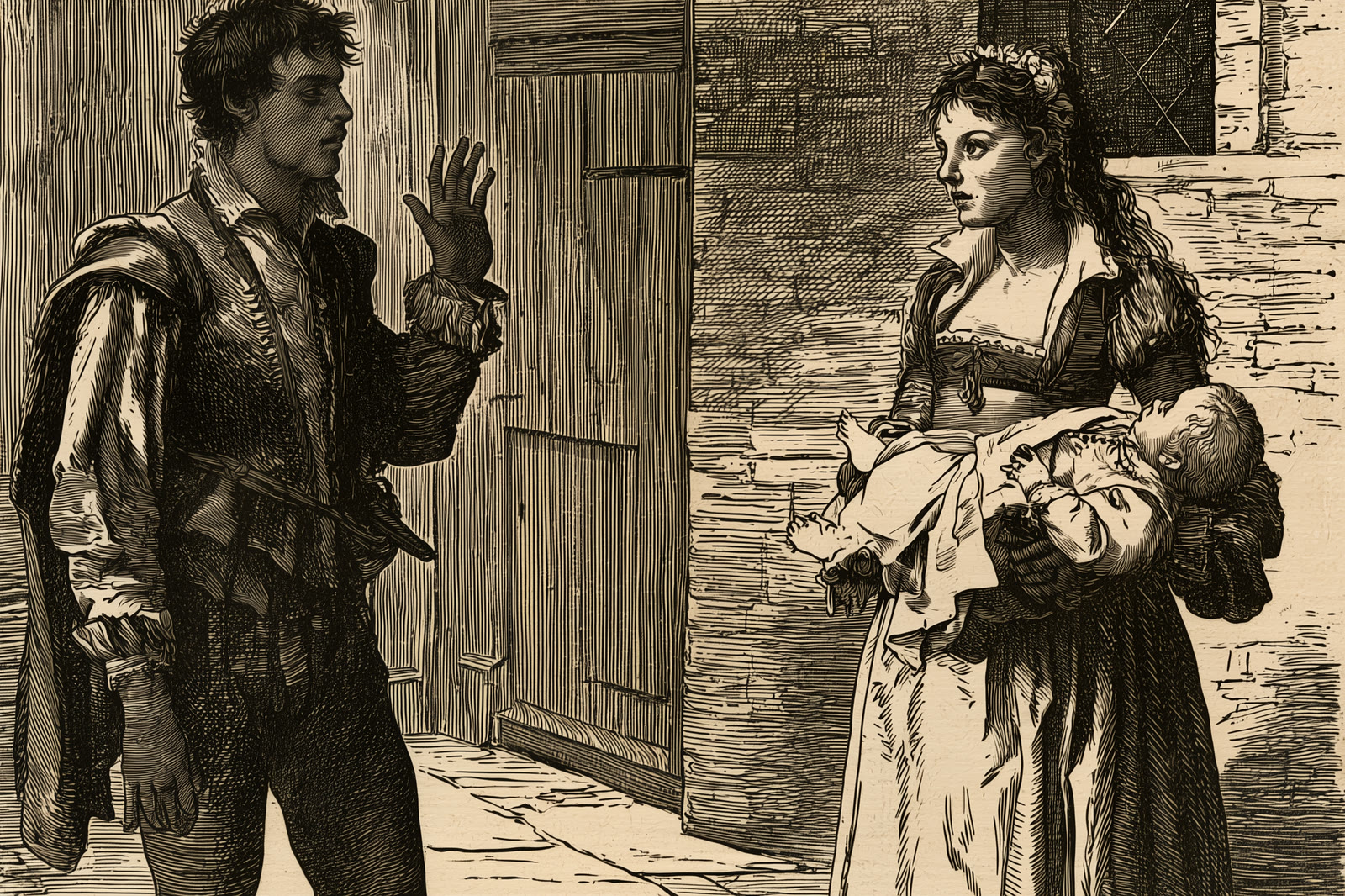
Woodcut for Sonnet XI

XI. As fast as thou shalt wane, so fast thou growest

0:004:16
Read the sonnetClose the sonnet

As fast as thou shalt wane, so fast thou growest In one of thine, from that which thou departest; And that fresh blood which youngly thou bestowest Thou mayst call thine when thou from youth convertest. Herein lives wisdom, beauty and increase: Without this, folly, age and cold decay: If all were minded so, the times should cease And threescore year would make the world away. Let those whom Nature hath not made for store, Harsh, featureless and rude, barrenly perish: Look, whom she best endow'd she gave the more; Which bounteous gift thou shouldst in bounty cherish:

She carved thee for her seal, and meant thereby Thou shouldst print more, not let that copy die.
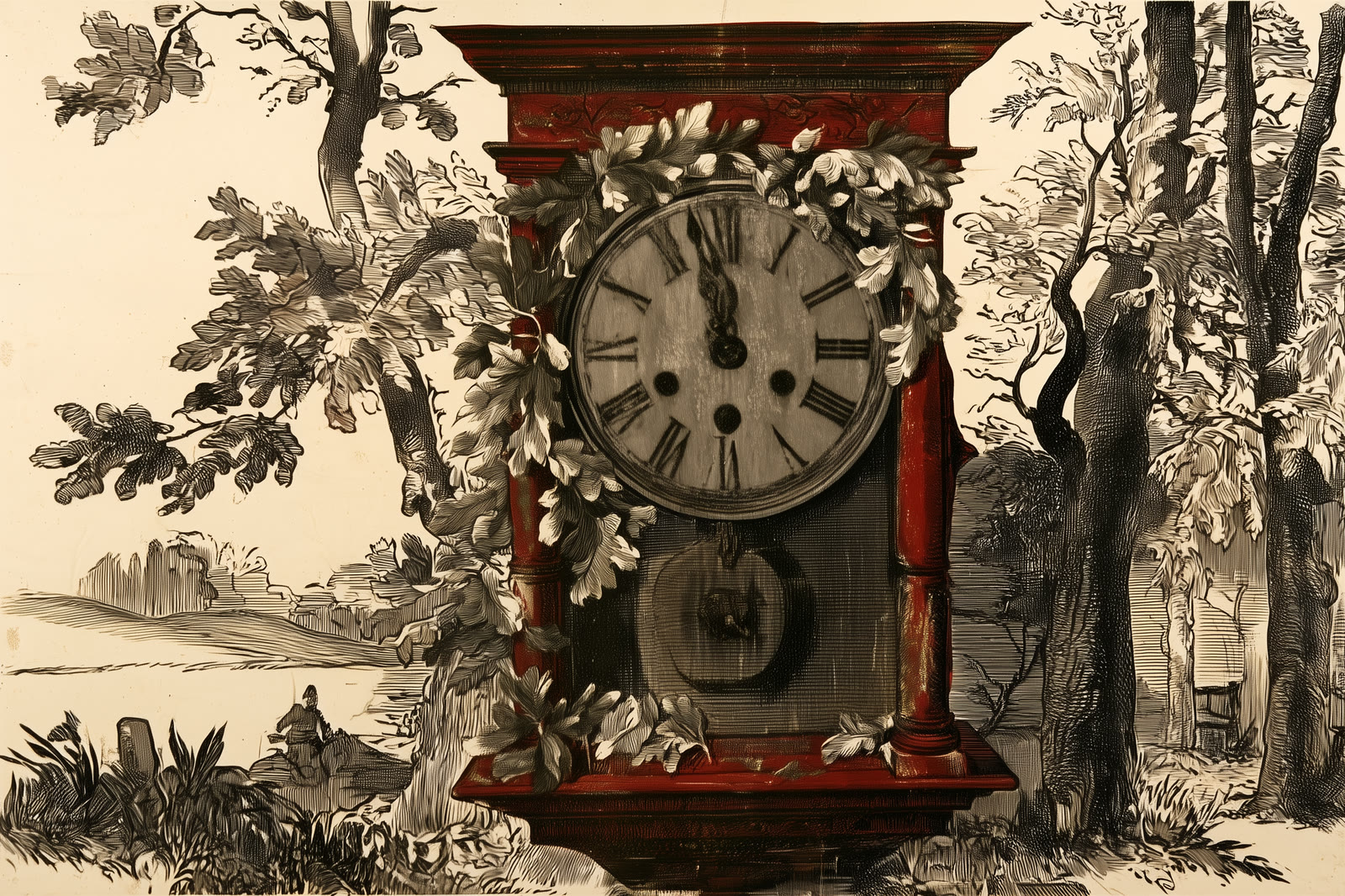
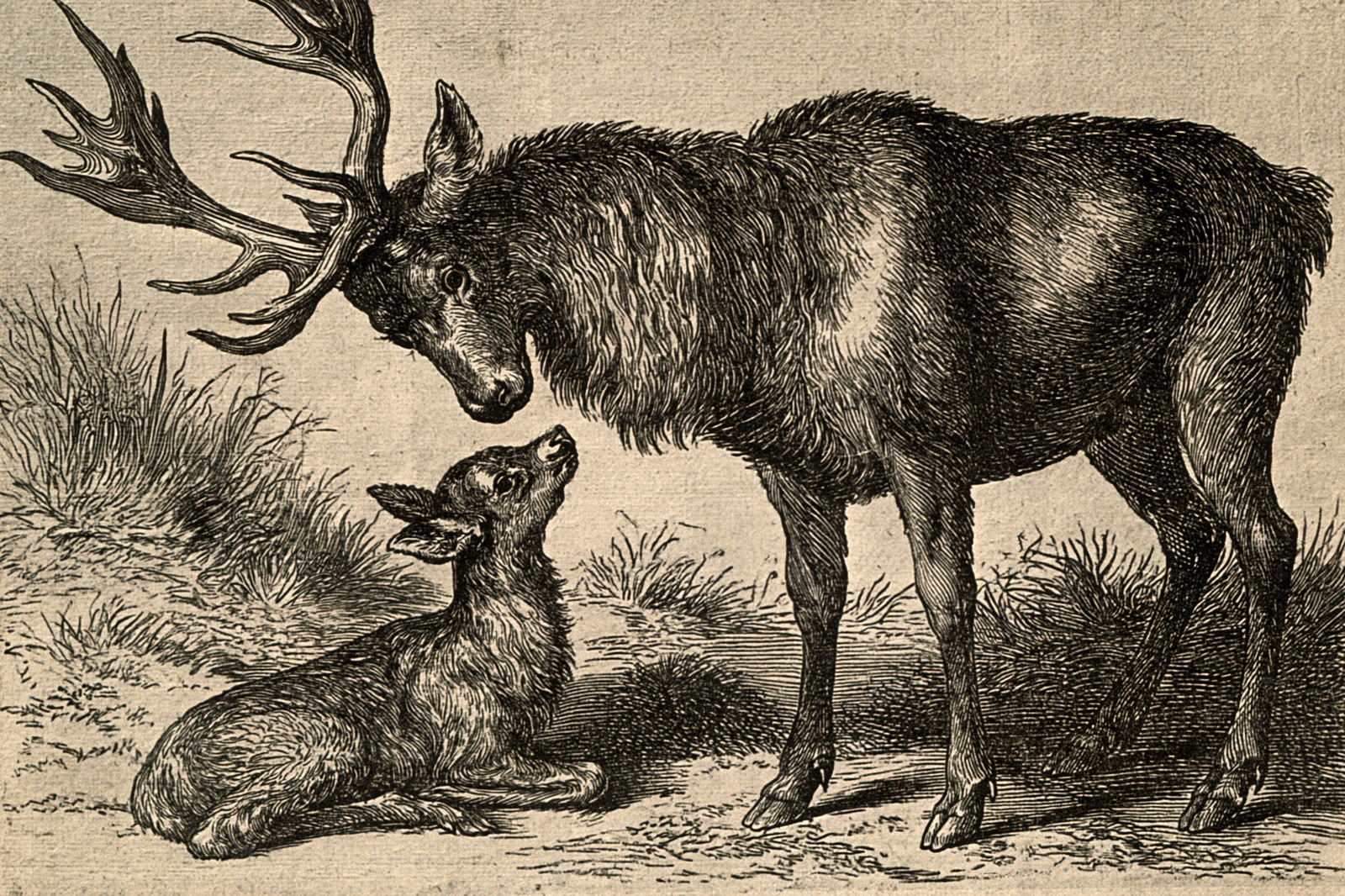
Woodcut for Sonnet XII

XII. When I do count the clock that tells the time

0:002:29
Read the sonnetClose the sonnet

When I do count the clock that tells the time, And see the brave day sunk in hideous night; When I behold the violet past prime, And sable curls all silver'd o'er with white; When lofty trees I see barren of leaves Which erst from heat did canopy the herd, And summer's green all girded up in sheaves Borne on the bier with white and bristly beard, Then of thy beauty do I question make, That thou among the wastes of time must go, Since sweets and beauties do themselves forsake And die as fast as they see others grow;

And nothing 'gainst Time's scythe can make defence Save breed, to brave him when he takes thee hence.

Woodcut for Sonnet XIII

XIII. O, that you were yourself! but, love, you are

0:003:12
Read the sonnetClose the sonnet

O, that you were yourself! but, love, you are No longer yours than you yourself here live: Against this coming end you should prepare, And your sweet semblance to some other give. So should that beauty which you hold in lease Find no determination: then you were Yourself again after yourself's decease, When your sweet issue your sweet form should bear. Who lets so fair a house fall to decay, Which husbandry in honour might uphold Against the stormy gusts of winter's day And barren rage of death's eternal cold?

O, none but unthrifts! Dear my love, you know You had a father: let your son say so.

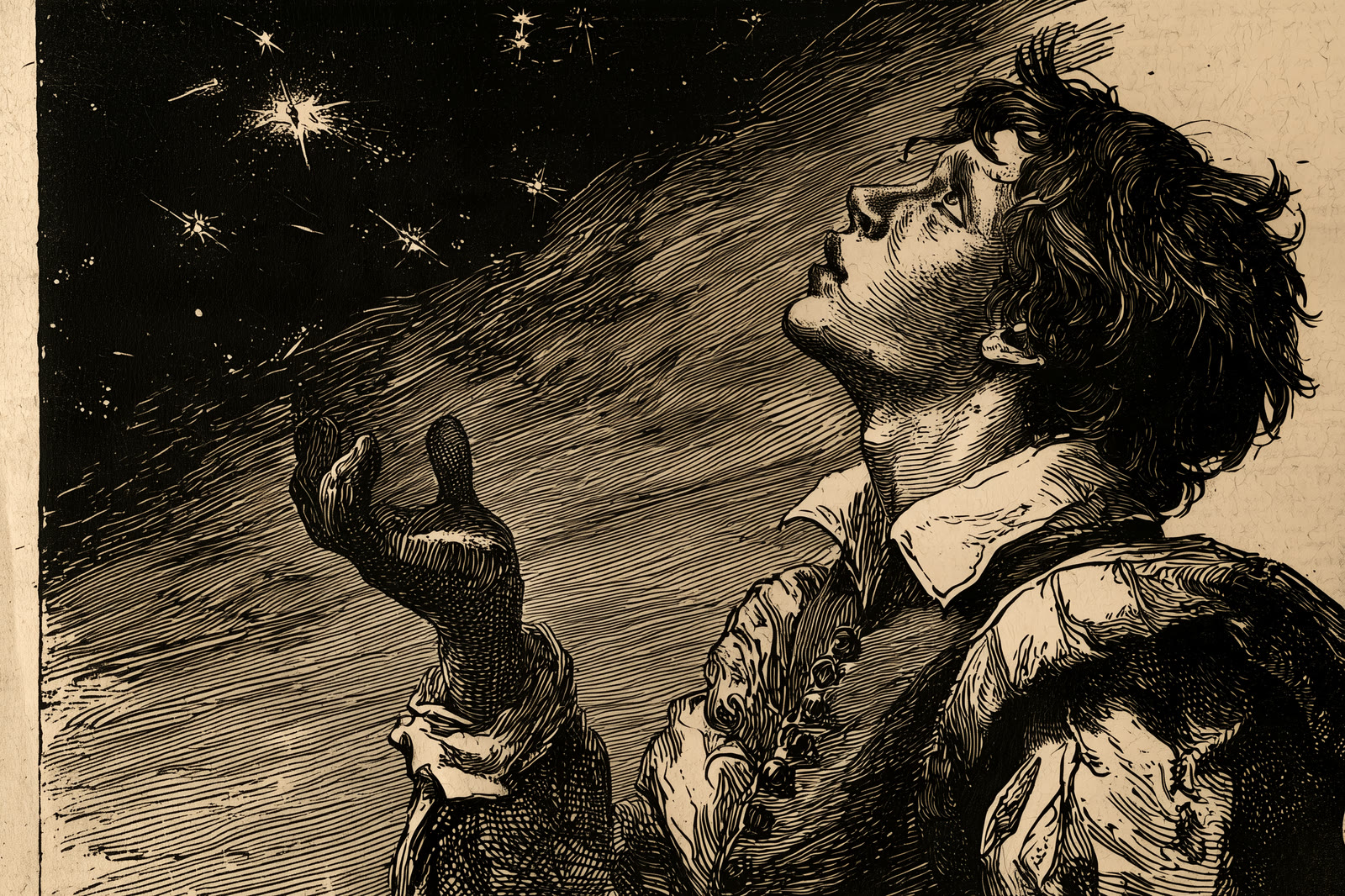
Woodcut for Sonnet XIV

XIV. Not from the stars do I my judgment pluck

0:002:12
Read the sonnetClose the sonnet

Not from the stars do I my judgment pluck; And yet methinks I have astronomy, But not to tell of good or evil luck, Of plagues, of dearths, or seasons' quality; Nor can I fortune to brief minutes tell, Pointing to each his thunder, rain and wind, Or say with princes if it shall go well, By oft predict that I in heaven find: But from thine eyes my knowledge I derive, And, constant stars, in them I read such art As truth and beauty shall together thrive, If from thyself to store thou wouldst convert;

Or else of thee this I prognosticate: Thy end is truth's and beauty's doom and date.

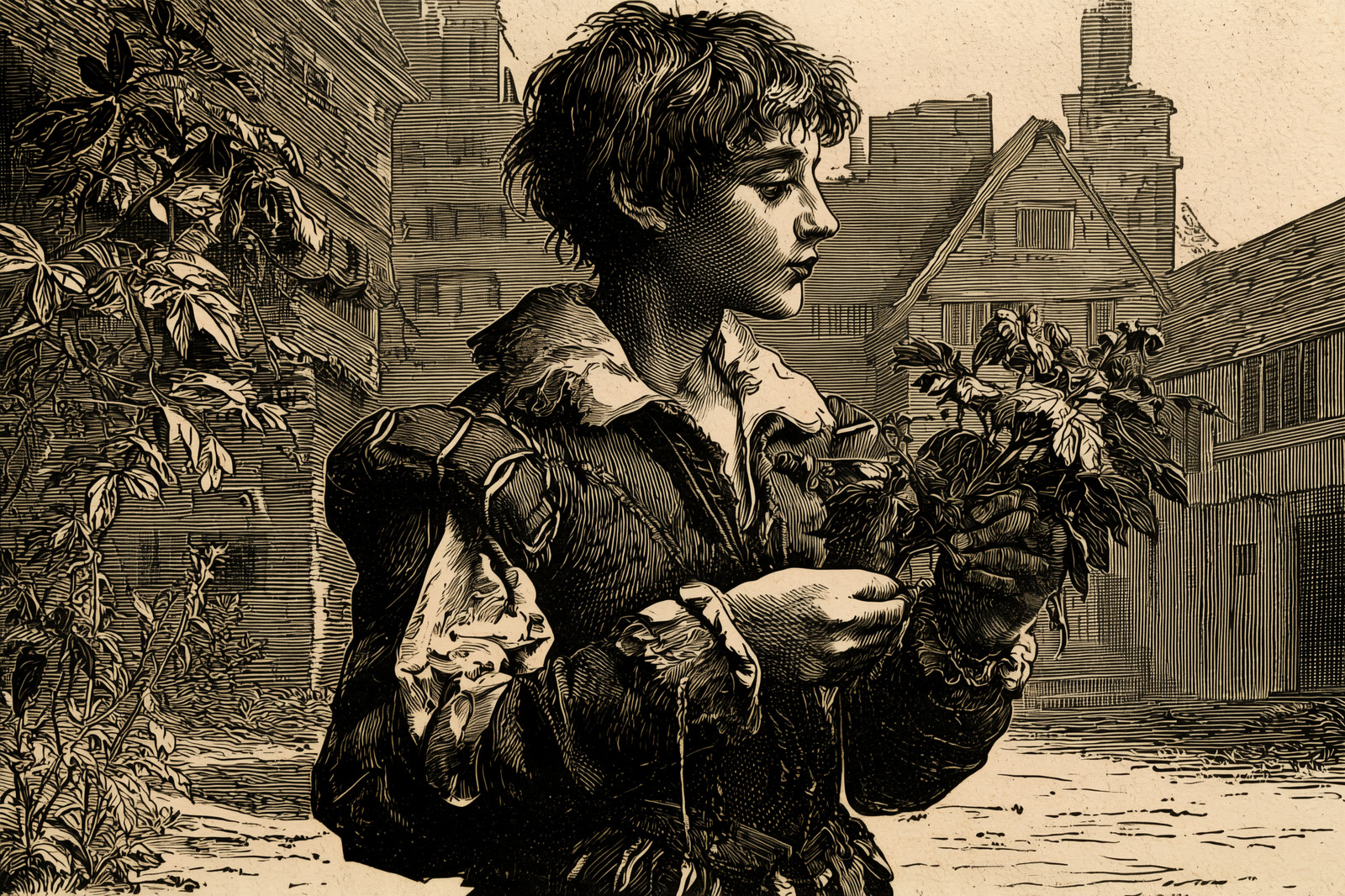
Woodcut for Sonnet XV

XV. When I consider every thing that grows

0:003:13
Read the sonnetClose the sonnet

When I consider every thing that grows Holds in perfection but a little moment, That this huge stage presenteth nought but shows Whereon the stars in secret influence comment; When I perceive that men as plants increase, Cheered and cheque'd even by the self-same sky, Vaunt in their youthful sap, at height decrease, And wear their brave state out of memory; Then the conceit of this inconstant stay Sets you most rich in youth before my sight, Where wasteful Time debateth with decay, To change your day of youth to sullied night;

And all in war with Time for love of you, As he takes from you, I engraft you new.